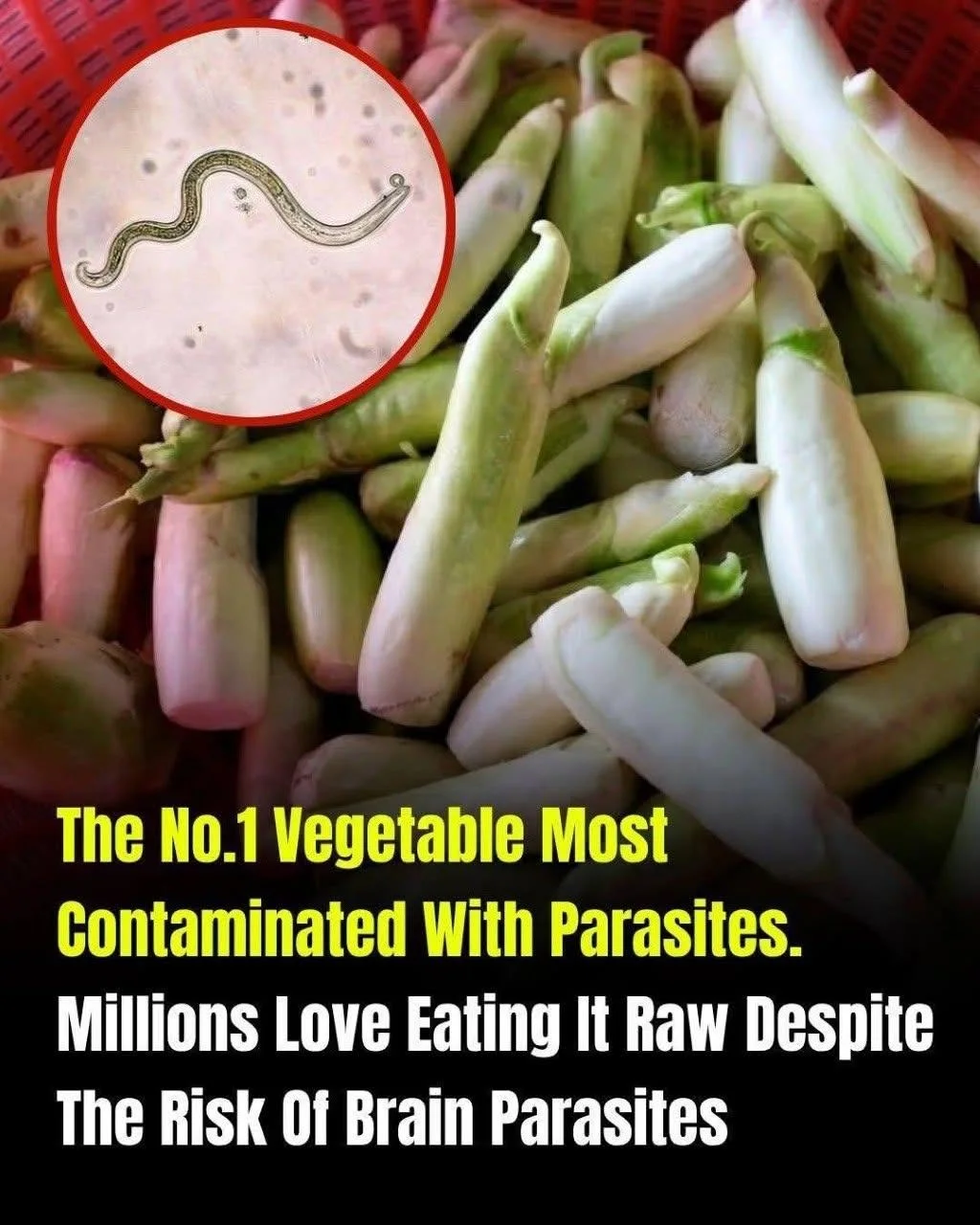
Fresh vegetables are an essential part of a healthy diet, but some are more likely than others to carry parasites if they are grown, harvested, or handled under unsanitary conditions.
Among them, leafy greens—especially lettuce—are frequently identified as one of the vegetables most susceptible to parasite contamination.
Why Lettuce Is at Higher Risk
Lettuce grows close to the ground, where it can come into contact with contaminated soil, irrigation water, or animal feces. Its large, crinkled leaves provide many places for microscopic parasites to cling, making them difficult to remove with a quick rinse.
Unlike vegetables that are usually cooked, lettuce is commonly eaten raw, meaning any parasites present may survive and be consumed.
Common Parasites Found on Leafy Greens
Health experts have identified several parasites that can contaminate fresh vegetables, including:
Read more on next page
Giardia duodenalis – Can cause diarrhea, stomach cramps, bloating, and nausea.
Cryptosporidium – A parasite that causes watery diarrhea and is especially dangerous for people with weakened immune systems.
Toxoplasma gondii – While often associated with cats, this parasite can contaminate vegetables through soil or water. It poses particular risks during pregnancy.
Ascaris lumbricoides – A roundworm whose eggs can survive in contaminated soil and infect humans if ingested.
How Contamination Happens
Vegetables can become contaminated at several stages:
Irrigation with contaminated water.
Fertilizer made from untreated animal or human waste.
Contact with animals in the field.
Poor hygiene during harvesting, transport, or food preparation.
Symptoms of a Parasitic Infection
If contaminated vegetables are eaten, symptoms may include:
Persistent diarrhea
Abdominal pain or cramping
Nausea and vomiting
Bloating and gas
Fatigue
Unexplained weight loss (in some cases)
Symptoms can appear days or even weeks after exposure, depending on the parasite.
How to Reduce Your Risk
You don’t need to avoid fresh vegetables. Instead, follow these safety tips:
Wash vegetables thoroughly under clean running water.
Separate and rinse each lettuce leaf individually.
Remove damaged or outer leaves.
Clean cutting boards, knives, and hands before preparing food.
Refrigerate produce promptly.
Buy vegetables from trusted sources that follow good agricultural practices.
Should You Use Vinegar or Baking Soda?
Read more on next page
Soaking vegetables in a solution of water with a small amount of vinegar or baking soda may help remove dirt and reduce some microbes, but these methods do not guarantee the elimination of parasites.
Thorough rinsing under running water remains the most important step, and cooking vegetables when appropriate provides the greatest protection.
The Bottom Line
Lettuce is often considered one of the vegetables at the highest risk for parasite contamination because it is eaten raw and has many folds where contaminants can hide.
However, contamination can occur on many fresh fruits and vegetables. The key is proper washing, safe food handling, and buying produce from reliable sources rather than avoiding healthy vegetables altogether.